🌍 Daily English: Beyond Tourism: The Transformative Power of Immersive Cultural Exploration | 2026-03-30
🖼️ Part 1: Daily Quote
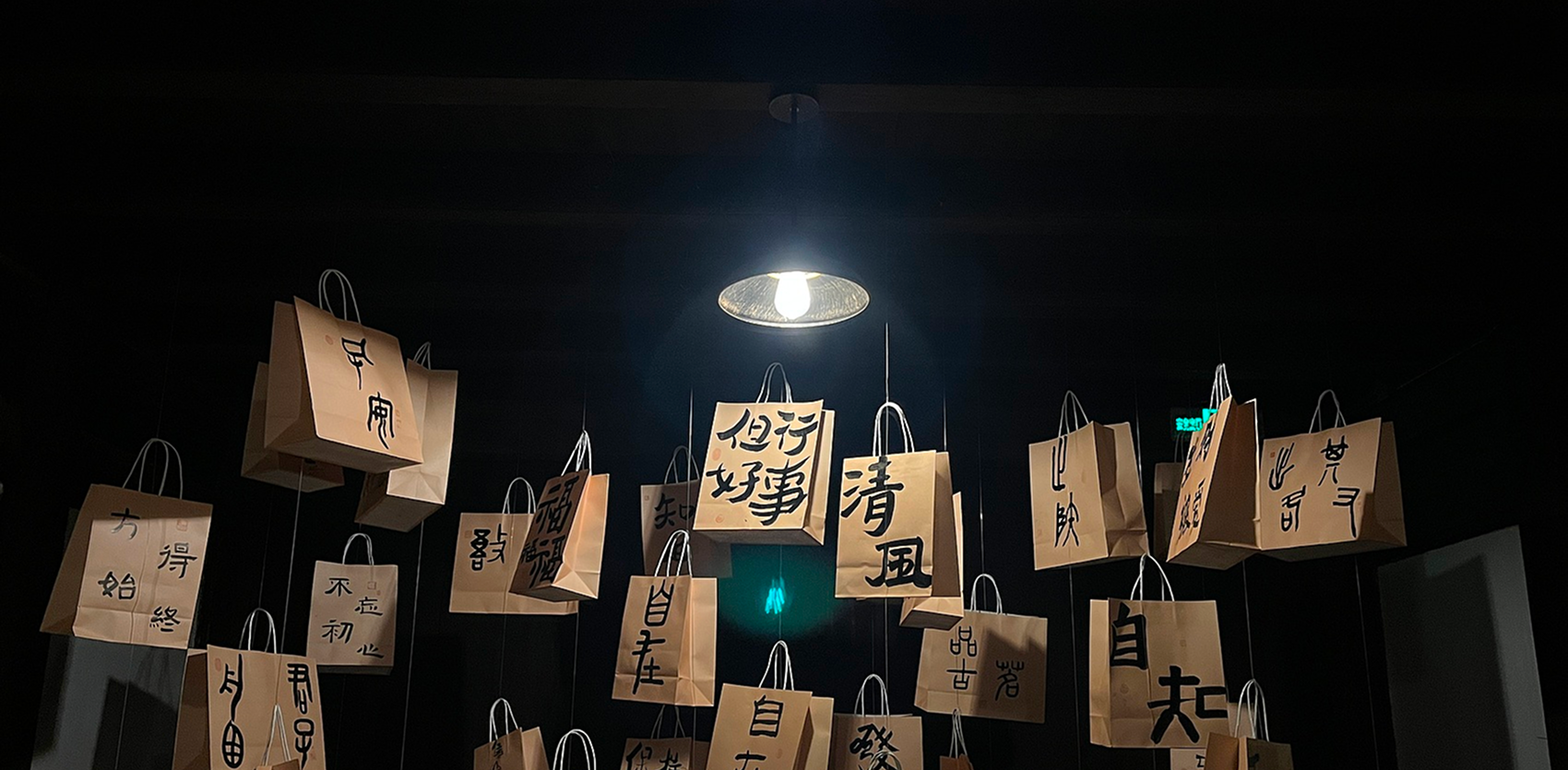
“March ends with a promise in its pocket.”
三月将尽,口袋里装着一个承诺。
🔑 Part 2: Vocabulary Builder (10 Words)
Here are 10 key words selected from today’s reading on Global Travel & Cultural Exploration:
peregrination
//ˌper.ə.ɡrɪˈneɪ.ʃən//- 🇺🇸 A long journey, especially one made on foot or traveling to various places.
- 🇨🇳 长途旅行,漫游
- 📝 Her year-long peregrination across Asia transformed her perspective on cultural diversity.
cosmopolitan
//ˌkɒz.məˈpɒl.ɪ.tən//- 🇺🇸 Familiar with and at ease in many different countries and cultures.
- 🇨🇳 世界性的,见多识广的
- 📝 Living in London made him truly cosmopolitan, comfortable navigating diverse cultural landscapes.
vernacular
//vəˈnæk.jə.lər//- 🇺🇸 The language or dialect spoken by the ordinary people in a particular country or region.
- 🇨🇳 方言,本地话
- 📝 Learning the local vernacular allowed her to connect with artisans in remote Moroccan villages.
ethnography
//eθˈnɒɡ.rə.fi//- 🇺🇸 The scientific description of peoples and cultures with their customs, habits, and mutual differences.
- 🇨🇳 民族志,人种学
- 📝 His travel blog incorporated elements of ethnography, documenting indigenous rituals with academic rigor.
sojourn
//ˈsɒdʒ.ɜːn//- 🇺🇸 A temporary stay at a place during a journey.
- 🇨🇳 旅居,暂住
- 📝 Her three-month sojourn in Kyoto provided deep immersion in traditional tea ceremonies.
acculturation
//əˌkʌl.tʃərˈeɪ.ʃən//- 🇺🇸 The process of cultural change and psychological change that results following meeting between cultures.
- 🇨🇳 文化适应,同化过程
- 📝 Extended travel often leads to acculturation, where travelers unconsciously adopt local customs.
peripatetic
//ˌper.ɪ.pəˈtet.ɪk//- 🇺🇸 Traveling from place to place, especially working or based in various places for short periods.
- 🇨🇳 巡游的,流动的
- 📝 His peripatetic lifestyle as a documentary filmmaker took him to over sixty countries.
gastronomy
//ɡæsˈtrɒn.ə.mi//- 🇺🇸 The practice or art of choosing, cooking, and eating good food.
- 🇨🇳 美食学,烹饪法
- 📝 Exploring regional gastronomy became the centerpiece of their culinary journey through Italy.
syncretism
//ˈsɪŋ.krə.tɪ.zəm//- 🇺🇸 The amalgamation or attempted amalgamation of different religions, cultures, or schools of thought.
- 🇨🇳 融合,调和
- 📝 The architecture in Istanbul displays remarkable syncretism, blending Byzantine, Ottoman, and modern elements.
wayfarer
//ˈweɪˌfeə.rər//- 🇺🇸 A person who travels on foot, especially over long distances.
- 🇨🇳 徒步旅行者,旅人
- 📝 Ancient pilgrimage routes continue to attract modern wayfarers seeking spiritual and cultural discovery.
📖 Part 3: Deep Reading
Beyond Tourism: The Transformative Power of Immersive Cultural Exploration
In an era where global mobility has become increasingly accessible, the distinction between mere tourism and genuine cultural exploration has never been more significant. While tourism often involves superficial engagement—snapping photographs at landmarks before retreating to familiar comforts—immersive cultural exploration demands a deeper commitment to understanding the fabric of societies different from our own. This journey transcends geographical boundaries to encompass psychological and intellectual frontiers.
True cultural exploration begins with what anthropologists call ‘participant observation’—not just visiting places, but living temporarily within communities, engaging with local customs, and attempting to comprehend worldviews fundamentally different from one’s own. In the highlands of Peru, this might mean participating in traditional weaving ceremonies with Quechua artisans, learning how patterns encode centuries of history and cosmology. In Japan, it could involve the disciplined practice of forest bathing (shinrin-yoku), understanding how this meditation in nature reflects Shinto principles of harmony with the environment.
The most profound transformations occur when travelers move beyond being passive observers to becoming temporary participants in cultural ecosystems. This requires linguistic effort—even basic proficiency in local dialects opens doors to authentic interactions. It demands culinary courage—sampling fermented shark in Iceland or balut in the Philippines becomes less about exotic consumption and more about understanding food as cultural expression. Most importantly, it necessitates what sociologists term ‘cultural humility’—the recognition that one’s own perspective is limited and that other ways of being have intrinsic value.
Such immersive exploration creates what psychologists identify as ‘cognitive flexibility’—the mental ability to switch between thinking about different concepts or to think about multiple concepts simultaneously. Travelers who have navigated the complex social protocols of a Balinese temple ceremony or deciphered the unspoken rules of a Moroccan souk develop enhanced capacity for perspective-taking. This cognitive expansion has tangible benefits beyond travel, improving problem-solving skills and intercultural competence in professional and personal contexts.
Yet this deeper engagement carries ethical responsibilities. The line between cultural appreciation and appropriation can be perilously thin. Responsible explorers must consider their impact on local communities, supporting sustainable tourism initiatives that preserve cultural heritage while providing economic benefits. They must approach sacred traditions with respect rather than treating them as photo opportunities, recognizing that some cultural elements are not for external consumption.
Ultimately, the most valuable souvenirs from cultural exploration are not material objects but expanded worldviews. The traveler returns home not just with stories, but with transformed understanding—seeing their own culture through new lenses, recognizing both its uniqueness and its common humanity with distant societies. In a world often divided by perceived differences, this profound intercultural understanding represents perhaps the most important journey of all.
💡 Language Highlights
Complex Sentence Structure (Parallelism with elaboration): ‘This requires linguistic effort—even basic proficiency in local dialects opens doors to authentic interactions. It demands culinary courage—sampling fermented shark in Iceland or balut in the Philippines becomes less about exotic consumption and more about understanding food as cultural expression.’ - This uses parallel structure (‘This requires… It demands…’) followed by dashes that introduce explanatory elaborations, creating a balanced, persuasive rhetorical effect.
Idiomatic Expression: ‘opens doors to’ - This idiom means ‘creates opportunities for’ and is used metaphorically to suggest that language skills enable deeper cultural access beyond what’s available to typical tourists.
Complex Sentence Structure (Parenthetical insertion): ‘Travelers who have navigated the complex social protocols of a Balinese temple ceremony or deciphered the unspoken rules of a Moroccan souk develop enhanced capacity for perspective-taking.’ - The core sentence (‘Travelers…develop enhanced capacity’) is interrupted by a lengthy relative clause providing specific examples, demonstrating sophisticated sentence embedding common in academic and journalistic writing.
(Content generated by DeepSeek AI; Quote source: Iciba)