🌍 Daily English: Beyond Tourism: The Transformative Power of Cultural Immersion in Global Travel | 2026-03-20
🖼️ Part 1: Daily Quote
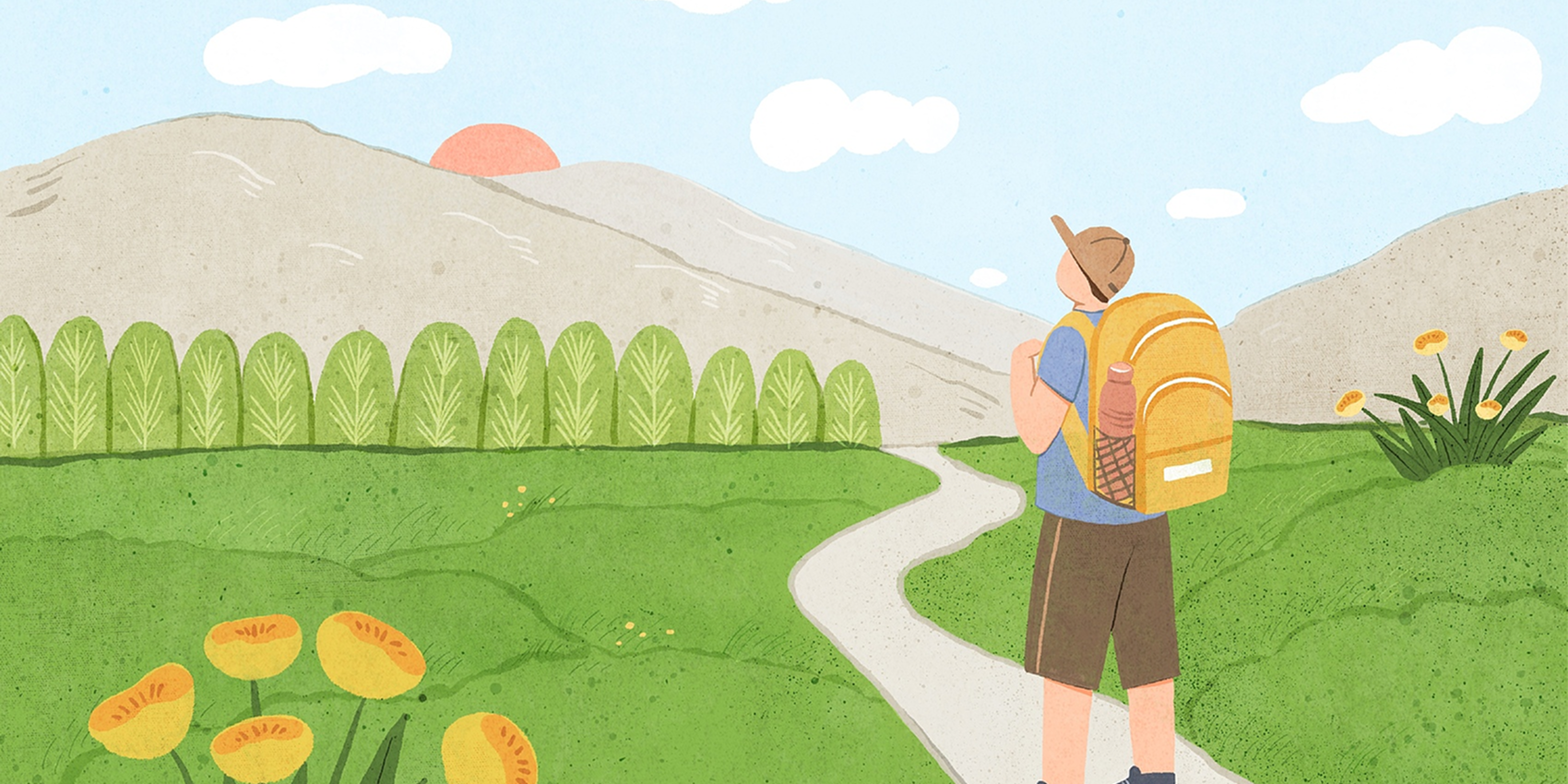
“Plan your path with care and a smile.”
带着细心和微笑规划你的路途。
🔑 Part 2: Vocabulary Builder (10 Words)
Here are 10 key words selected from today’s reading on Global Travel & Cultural Exploration:
peregrination
//ˌper.ə.ɡrɪˈneɪ.ʃən//- 🇺🇸 A long journey, especially one made on foot or to a foreign country for exploration or cultural immersion.
- 🇨🇳 长途旅行,尤指徒步或赴外国的探索之旅
- 📝 Her peregrination through Southeast Asia transformed her understanding of Buddhist traditions.
cosmopolitan
//ˌkɒz.məˈpɒl.ɪ.tən//- 🇺🇸 Familiar with and at ease in many different countries and cultures; having worldwide rather than limited scope.
- 🇨🇳 世界性的,熟悉多种文化的
- 📝 Tokyo’s cosmopolitan atmosphere makes it a hub for international cuisine and art.
vernacular
//vəˈnæk.jə.lər//- 🇺🇸 The language or dialect spoken by the ordinary people in a particular country or region.
- 🇨🇳 方言,本地语言
- 📝 Learning the local vernacular helped him connect deeply with rural communities in Peru.
serendipity
//ˌser.ənˈdɪp.ə.ti//- 🇺🇸 The occurrence of events by chance in a happy or beneficial way, often during travel.
- 🇨🇳 机缘巧合,意外发现的美好
- 📝 Through serendipity, she stumbled upon a hidden temple while wandering through Kyoto’s backstreets.
ethnography
//eθˈnɒɡ.rə.fi//- 🇺🇸 The scientific description of peoples and cultures with their customs, habits, and mutual differences.
- 🇨🇳 民族志,文化描述研究
- 📝 His travel blog included detailed ethnography of indigenous tribes in the Amazon.
peripatetic
//ˌper.ɪ.pəˈtet.ɪk//- 🇺🇸 Traveling from place to place, especially working or based in various locations for short periods.
- 🇨🇳 巡回的,四处游历的
- 📝 The peripatetic journalist documented cultural festivals across five continents.
acculturation
//əˌkʌl.tʃərˈeɪ.ʃən//- 🇺🇸 The process of cultural change and psychological change that results following meeting between cultures.
- 🇨🇳 文化适应,文化融合过程
- 📝 Long-term travelers often experience acculturation, adopting local customs and perspectives.
wayfarer
//ˈweɪˌfeə.rər//- 🇺🇸 A person who travels on foot, especially over long distances.
- 🇨🇳 徒步旅行者,远行者
- 📝 Ancient wayfarers followed the Silk Road, exchanging goods and ideas across civilizations.
syncretism
//ˈsɪŋ.krə.tɪ.zəm//- 🇺🇸 The amalgamation or attempted amalgamation of different religions, cultures, or schools of thought.
- 🇨🇳 文化融合,不同体系的结合
- 📝 The architecture in Istanbul shows remarkable syncretism of Byzantine and Ottoman influences.
sojourn
//ˈsɒdʒ.ən//- 🇺🇸 A temporary stay at a place, often during travel for cultural immersion.
- 🇨🇳 旅居,短期逗留
- 📝 Her six-month sojourn in Morocco allowed her to master basic Arabic and understand local traditions.
📖 Part 3: Deep Reading
Beyond Tourism: The Transformative Power of Cultural Immersion in Global Travel
In an era where globalization has made distant lands accessible with a few clicks, the essence of travel has evolved from mere sightseeing to profound cultural exploration. The modern traveler seeks not just to visit, but to understand—to peel back the layers of foreign societies and emerge transformed by the experience. This shift represents a fundamental rethinking of what it means to journey across borders.
True cultural immersion requires more than passive observation; it demands active engagement with local communities. When travelers participate in traditional ceremonies, learn indigenous crafts, or share meals with families in their homes, they move beyond the superficial gaze of tourism. These interactions create bridges of understanding that challenge preconceived notions and stereotypes. The traveler who spends weeks learning pottery techniques from masters in Japan’s Mashiko region gains insights no guidebook can provide—understanding not just how the pottery is made, but why certain forms have persisted for centuries and what they signify in Japanese aesthetics.
Such deep engagement often leads to what anthropologists call ‘cultural fluency’—the ability to navigate and appreciate different cultural codes without judgment. This fluency develops through what might initially feel like disorientation: the confusion of unfamiliar social norms, the frustration of language barriers, the discomfort of different culinary traditions. Yet it’s precisely through navigating these challenges that travelers develop empathy and adaptability. The business executive who learns to conduct meetings according to Middle Eastern protocols, or the student who masters the subtle hierarchy of address in Korean language, doesn’t just acquire practical skills—they expand their cognitive and emotional capacities.
Perhaps most significantly, immersive travel fosters what philosopher Kwame Anthony Appiah calls ‘cosmopolitan contamination’—the enriching mixing of cultures that occurs when people genuinely engage across differences. This isn’t about cultural appropriation or superficial borrowing, but about creating new syntheses that respect origins while allowing for creative adaptation. The fusion cuisine that emerges when a French chef incorporates Thai techniques, or the musical genres born from African and European traditions meeting in the Caribbean, exemplify how travel can spark innovation while honoring heritage.
Ultimately, the most valuable souvenirs from such journeys aren’t physical objects but expanded perspectives. The traveler returns home not just with photographs and stories, but with a more nuanced understanding of human diversity and a renewed commitment to cross-cultural dialogue in an increasingly interconnected world.
💡 Language Highlights
- Complex Sentence Structure (Parallelism with Contrast): ‘The traveler who spends weeks learning pottery techniques… gains insights no guidebook can provide—understanding not just how the pottery is made, but why certain forms have persisted for centuries and what they signify…’ - This sentence uses parallel structure (‘not just how… but why… and what…’) to contrast superficial versus deep understanding, creating rhetorical impact.
- Idiomatic Expression: ‘peel back the layers’ - This idiom metaphorically suggests revealing deeper truths beneath surface appearances, commonly used in cultural analysis to describe investigative understanding.
- Complex Sentence Structure (Appositive with Qualification): ‘This fluency develops through what might initially feel like disorientation: the confusion of unfamiliar social norms, the frustration of language barriers, the discomfort of different culinary traditions.’ - The colon introduces an explanatory series that elaborates on ‘disorientation,’ using parallel noun phrases to create cumulative effect while maintaining formal tone.
(Content generated by DeepSeek AI; Quote source: Iciba)