🌍 Daily English: The Lens of Truth: How Wildlife Documentaries Are Reshaping Our Relationship with Nature | 2026-03-13
🖼️ Part 1: Daily Quote
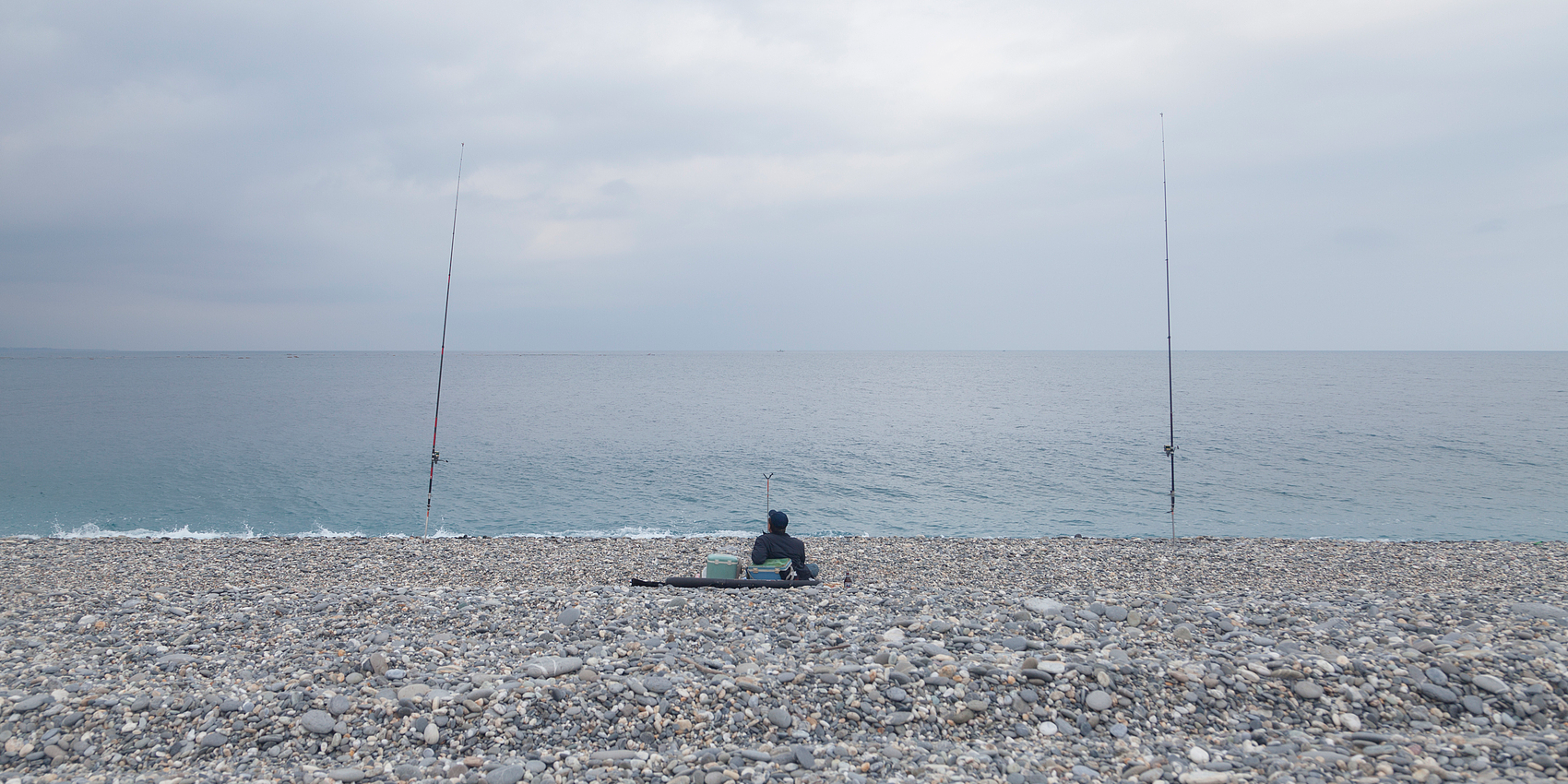
“The heart, like a still pond, reflects all things without disturbance.”
心如静水,无波不映。
🔑 Part 2: Vocabulary Builder (10 Words)
Here are 10 key words selected from today’s reading on Nature & Wildlife Documentary:
biodiversity
//ˌbaɪ.oʊ.daɪˈvɜːr.sə.t̬i//- 🇺🇸 The variety of plant and animal life in a particular habitat or ecosystem.
- 🇨🇳 生物多样性
- 📝 The documentary highlighted the incredible biodiversity of the Amazon rainforest, showcasing hundreds of species in a single frame.
ecosystem
//ˈiː.koʊˌsɪs.təm//- 🇺🇸 A biological community of interacting organisms and their physical environment.
- 🇨🇳 生态系统
- 📝 The coral reef ecosystem faces unprecedented threats from climate change and pollution.
predator
//ˈpred.ə.t̬ɚ//- 🇺🇸 An animal that naturally preys on others.
- 🇨🇳 捕食者
- 📝 The documentary captured the lion’s stealthy approach as a formidable predator in the savanna.
migration
//maɪˈɡreɪ.ʃən//- 🇺🇸 The seasonal movement of animals from one region to another.
- 🇨🇳 迁徙
- 📝 The annual wildebeest migration across the Serengeti is one of nature’s most spectacular events.
habitat
//ˈhæb.ə.tæt//- 🇺🇸 The natural home or environment of an animal, plant, or other organism.
- 🇨🇳 栖息地
- 📝 Deforestation has destroyed the natural habitat of countless species, pushing them toward extinction.
camouflage
//ˈkæm.ə.flɑːʒ//- 🇺🇸 The disguising of military personnel, equipment, or installations by painting or covering them to make them blend in with their surroundings.
- 🇨🇳 伪装
- 📝 The chameleon’s remarkable camouflage allows it to blend seamlessly with its surroundings to avoid predators.
conservation
//ˌkɑːn.sɚˈveɪ.ʃən//- 🇺🇸 The protection and preservation of natural resources and the environment.
- 🇨🇳 保护
- 📝 The documentary emphasized the urgent need for conservation efforts to protect endangered species.
nocturnal
//nɑːkˈtɝː.nəl//- 🇺🇸 Active at night.
- 🇨🇳 夜行的
- 📝 Using infrared cameras, the film crew captured the secret lives of nocturnal animals in the forest.
symbiosis
//ˌsɪm.baɪˈoʊ.sɪs//- 🇺🇸 Interaction between two different organisms living in close physical association, typically to the advantage of both.
- 🇨🇳 共生
- 📝 The documentary explored the fascinating symbiosis between clownfish and sea anemones.
endangered
//ɪnˈdeɪn.dʒɚd//- 🇺🇸 Seriously at risk of extinction.
- 🇨🇳 濒危的
- 📝 The film shed light on the plight of endangered species like the Sumatran tiger and mountain gorilla.
📖 Part 3: Deep Reading
The Lens of Truth: How Wildlife Documentaries Are Reshaping Our Relationship with Nature
In an age where urbanization and digital screens dominate daily life, nature and wildlife documentaries serve as vital portals to the natural world. These cinematic journeys do more than merely entertain; they educate, inspire, and fundamentally alter our perception of the planet we inhabit. Through breathtaking cinematography and compelling narratives, documentaries like those from BBC’s Natural History Unit or National Geographic bring distant ecosystems into our living rooms, fostering a global appreciation for biodiversity that might otherwise remain abstract.
The evolution of wildlife filmmaking has been nothing short of revolutionary. Early documentaries often presented nature through a detached, observational lens, but modern productions employ cutting-edge technology—from drones capturing aerial vistas to microscopic cameras revealing the hidden lives of insects. This technological leap allows filmmakers to document behaviors previously unseen by human eyes, such as the intricate hunting strategies of deep-sea creatures or the complex social structures of elephant herds. The result is a more intimate, immersive experience that bridges the gap between human and animal worlds.
Beyond their visual splendor, these documentaries play a crucial role in conservation advocacy. By highlighting the fragility of ecosystems and the threats facing endangered species, they mobilize public support for environmental protection. The emotional resonance of watching a polar bear struggle on melting ice or a rainforest being cleared for agriculture can transform abstract statistics into urgent calls to action. Documentaries have become powerful tools for NGOs and scientists, translating complex ecological issues into accessible stories that resonate across cultures and generations.
However, this genre faces ethical challenges. The pursuit of dramatic footage sometimes leads to staged scenes or interference with natural behaviors, raising questions about authenticity. Moreover, there’s a risk of presenting nature as mere spectacle rather than a complex web of interdependent life. The most responsible filmmakers now emphasize transparency about their methods and focus on storytelling that respects both the subjects and the truth of their environments.
As climate change accelerates and species disappear at alarming rates, wildlife documentaries have never been more important. They preserve moments of natural wonder for future generations while reminding us of our responsibility as planetary stewards. In showing us both the beauty and vulnerability of the natural world, these films don’t just document life—they help ensure its continuation.
💡 Language Highlights
Complex sentence structure: ‘Through breathtaking cinematography and compelling narratives, documentaries like those from BBC’s Natural History Unit or National Geographic bring distant ecosystems into our living rooms, fostering a global appreciation for biodiversity that might otherwise remain abstract.’ - This sentence uses a prepositional phrase opener (‘Through…’), followed by the main clause with an embedded example list, and concludes with a participial phrase (‘fostering…’) that contains a relative clause (‘that might otherwise remain abstract’).
Idiomatic expression: ‘nothing short of revolutionary’ - This idiom emphasizes that something is extremely significant or remarkable, suggesting the evolution of wildlife filmmaking has been completely transformative rather than just incremental.
Complex sentence with parallel structure: ‘The emotional resonance of watching a polar bear struggle on melting ice or a rainforest being cleared for agriculture can transform abstract statistics into urgent calls to action.’ - This sentence uses parallel noun phrases (‘watching a polar bear…or a rainforest being cleared’) within a prepositional phrase, creating balanced emphasis on different environmental threats while maintaining grammatical symmetry.
(Content generated by DeepSeek AI; Quote source: Iciba)