🌍 Daily English: The Unseen World: How Wildlife Documentaries Reveal Nature's Hidden Realities | 2026-03-01
🖼️ Part 1: Daily Quote
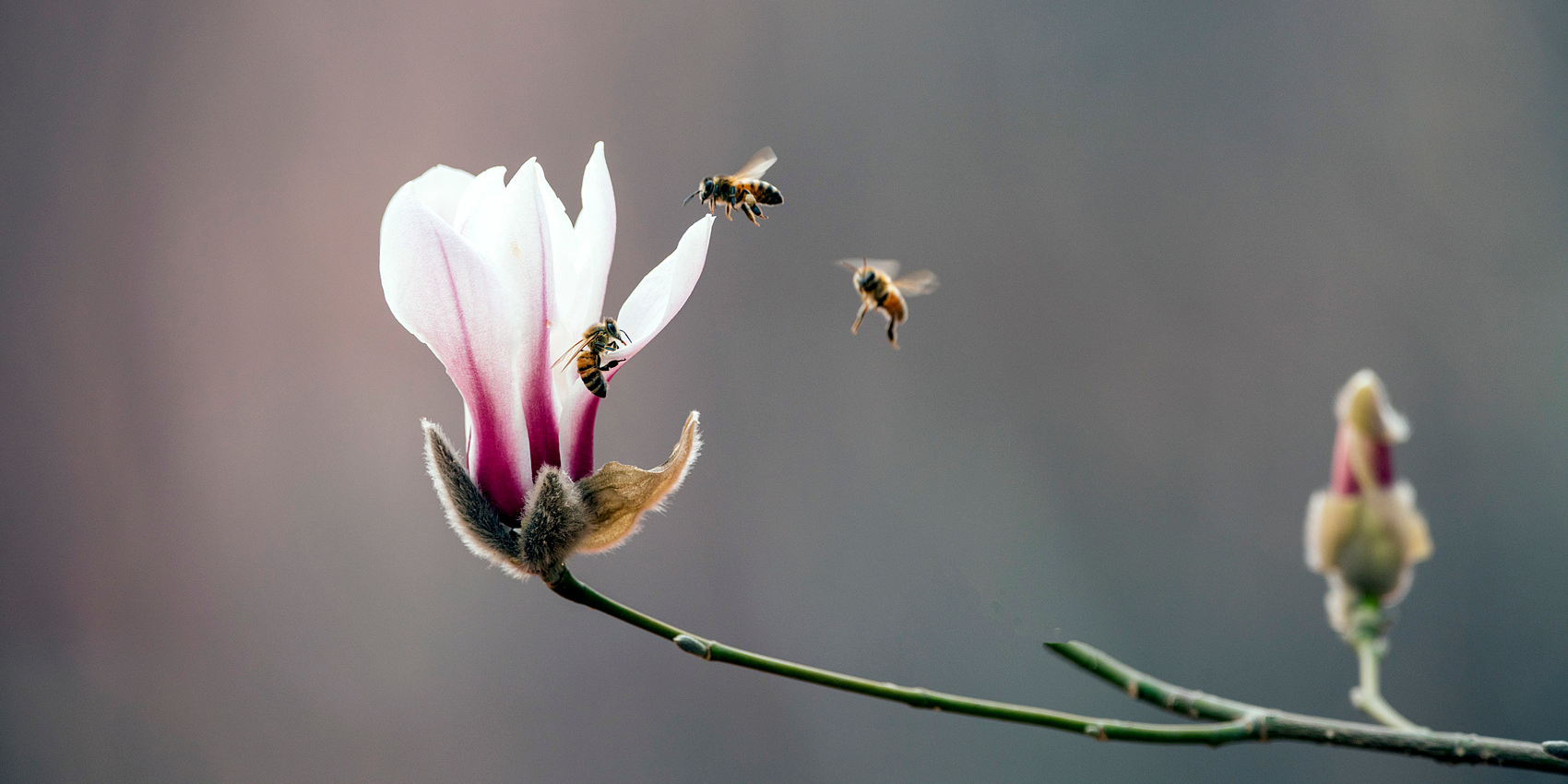
“Bees hum the map to hidden sweetness.”
蜜蜂哼唱着通往隐秘甜美的地图。
🔑 Part 2: Vocabulary Builder (10 Words)
Here are 10 key words selected from today’s reading on Nature & Wildlife Documentary:
Biodiversity
//ˌbaɪ.oʊ.daɪˈvɜːr.sə.t̬i//- 🇺🇸 The variety of plant and animal life in a particular habitat or in the world as a whole.
- 🇨🇳 生物多样性
- 📝 The documentary highlighted the incredible biodiversity of the Amazon rainforest, home to millions of species.
Ecosystem
//ˈiː.koʊˌsɪs.təm//- 🇺🇸 A biological community of interacting organisms and their physical environment.
- 🇨🇳 生态系统
- 📝 The coral reef ecosystem faces severe threats from climate change and pollution.
Conservation
//ˌkɑːn.sɚˈveɪ.ʃən//- 🇺🇸 The protection and preservation of natural environments and wildlife.
- 🇨🇳 保护,保育
- 📝 The film emphasized the importance of conservation efforts to protect endangered species.
Habitat
//ˈhæb.ə.tæt//- 🇺🇸 The natural environment in which a plant or animal lives.
- 🇨🇳 栖息地
- 📝 Deforestation has destroyed the natural habitat of many forest-dwelling animals.
Predator
//ˈpred.ə.t̬ɚ//- 🇺🇸 An animal that naturally preys on others.
- 🇨🇳 捕食者
- 📝 The lion is an apex predator that plays a crucial role in maintaining the balance of the savanna ecosystem.
Endangered
//ɪnˈdeɪn.dʒɚd//- 🇺🇸 A species seriously at risk of extinction.
- 🇨🇳 濒危的
- 📝 The documentary featured several endangered species, including the mountain gorilla and the Sumatran tiger.
Migration
//maɪˈɡreɪ.ʃən//- 🇺🇸 The seasonal movement of animals from one region to another.
- 🇨🇳 迁徙
- 📝 The annual migration of wildebeest across the Serengeti is one of nature’s most spectacular events.
Camouflage
//ˈkæm.ə.flɑːʒ//- 🇺🇸 The natural coloring or form of an animal that enables it to blend in with its surroundings.
- 🇨🇳 伪装
- 📝 The chameleon’s remarkable camouflage allows it to hide from predators and ambush prey.
Symbiosis
//ˌsɪm.baɪˈoʊ.sɪs//- 🇺🇸 A mutually beneficial relationship between different organisms.
- 🇨🇳 共生关系
- 📝 The documentary explored the fascinating symbiosis between cleaner fish and larger marine animals.
Nocturnal
//nɑːkˈtɝː.nəl//- 🇺🇸 Active at night.
- 🇨🇳 夜行的
- 📝 Many nocturnal animals, such as owls and bats, have evolved specialized adaptations for hunting in darkness.
📖 Part 3: Deep Reading
The Unseen World: How Wildlife Documentaries Reveal Nature’s Hidden Realities
In an age where urban landscapes dominate and human activity reshapes the planet, wildlife documentaries serve as vital windows into the natural world. These cinematic journeys transport viewers to remote ecosystems, from the deepest ocean trenches to the highest mountain peaks, revealing complex interactions that would otherwise remain hidden. Through stunning cinematography and meticulous research, filmmakers capture moments of raw beauty and brutal survival, documenting behaviors that have evolved over millennia.
The power of modern wildlife documentaries lies not only in their visual spectacle but in their ability to tell compelling stories about ecological relationships. A single documentary might follow the life cycle of a predator, showing how its hunting patterns affect entire food chains, or trace the migration routes of birds across continents, highlighting the interconnectedness of global ecosystems. These narratives often reveal surprising adaptations—how desert plants store water for years, or how Arctic animals survive extreme cold—demonstrating nature’s remarkable resilience.
However, contemporary documentaries increasingly confront uncomfortable truths. While showcasing nature’s wonders, they also document the devastating impacts of human activity: melting polar ice caps, deforestation, and species extinction. This dual role—as both celebration and warning—makes wildlife films particularly powerful educational tools. By presenting scientific facts through engaging storytelling, they can inspire conservation efforts and policy changes that might otherwise seem abstract or distant.
The technological revolution has transformed wildlife filmmaking. High-definition cameras, drone photography, and night-vision technology now allow filmmakers to observe animals with minimal intrusion, capturing intimate moments without disturbing natural behaviors. This technological advancement enables documentaries to present increasingly accurate portrayals of animal intelligence, social structures, and emotional lives—challenging old assumptions about human exceptionalism while fostering greater empathy for other species.
Ultimately, wildlife documentaries do more than entertain; they cultivate what naturalist E.O. Wilson called ‘biophilia’—the innate human connection to nature. In a world where many people experience nature primarily through screens, these films maintain that essential connection, reminding us of our place within a larger biological community and our responsibility to protect it for future generations.
💡 Language Highlights
Complex sentence structure: ‘Through stunning cinematography and meticulous research, filmmakers capture moments of raw beauty and brutal survival, documenting behaviors that have evolved over millennia.’ - This sentence uses a prepositional phrase (‘Through stunning cinematography…’) as an introductory element, followed by a main clause with a present participle phrase (‘documenting behaviors…’) that adds descriptive detail about the action.
Idiomatic expression: ‘windows into the natural world’ - This metaphor compares documentaries to windows, suggesting they provide a clear, revealing view of something that might otherwise be inaccessible or hidden.
Complex sentence structure: ‘By presenting scientific facts through engaging storytelling, they can inspire conservation efforts and policy changes that might otherwise seem abstract or distant.’ - This sentence begins with a prepositional phrase indicating method (‘By presenting…’), contains a main clause about inspiring action, and ends with a relative clause (‘that might otherwise seem…’) that modifies ‘conservation efforts and policy changes,’ adding conditional contrast.
(Content generated by DeepSeek AI; Quote source: Iciba)