🌍 Daily English: The Unseen World: How Technology Transforms Wildlife Filmmaking | 2026-01-24
🖼️ Part 1: Daily Quote
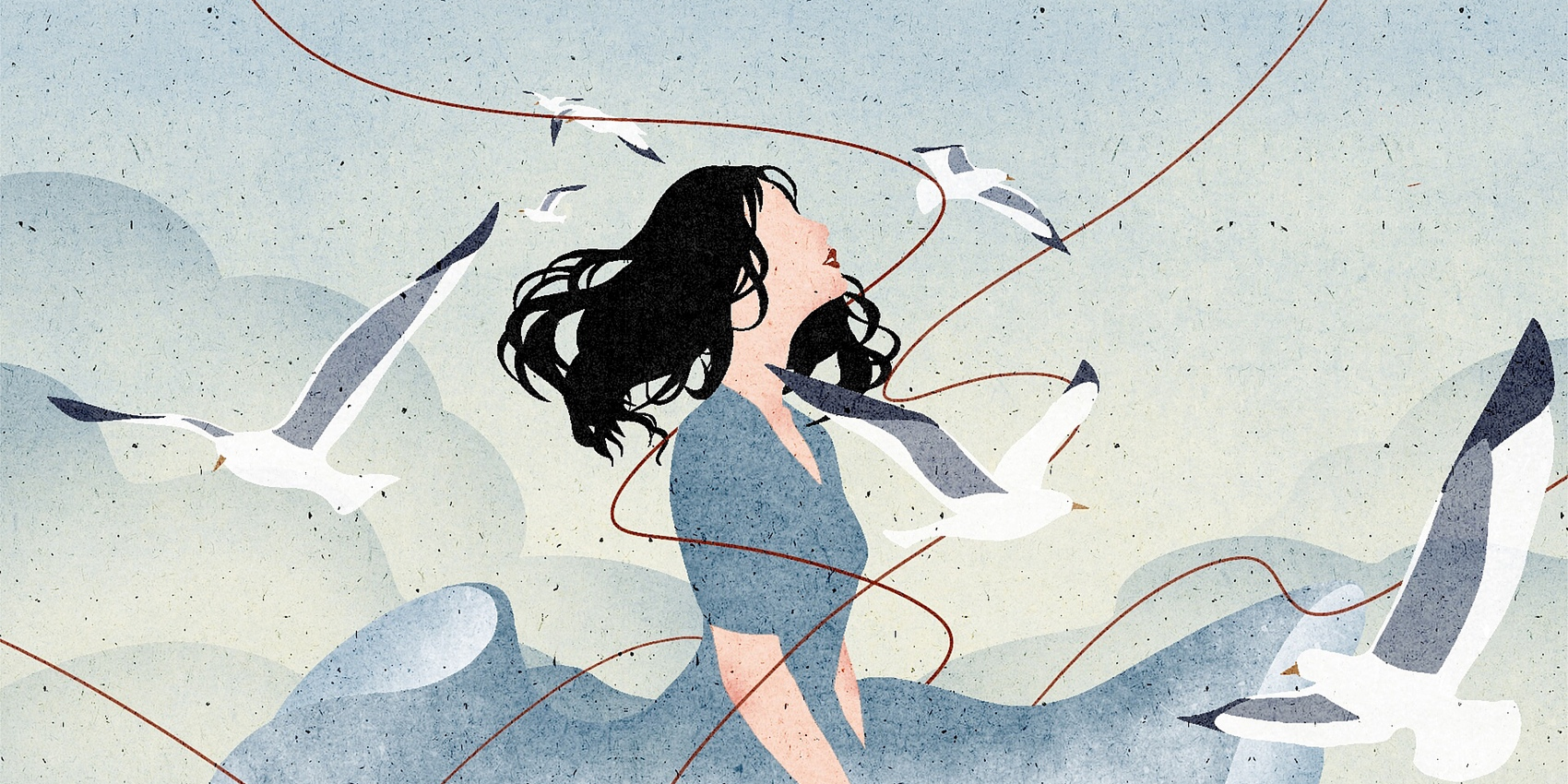
“True freedom is choosing the weight of your soul.”
真正的自由,是为灵魂选择它的重量。
🔑 Part 2: Vocabulary Builder (10 Words)
Here are 10 key words selected from today’s reading on Nature & Wildlife Documentary:
biodiversity
//ˌbaɪ.oʊ.daɪˈvɜːr.sə.t̬i//- 🇺🇸 The variety of plant and animal life in a particular habitat or ecosystem.
- 🇨🇳 生物多样性
- 📝 The documentary highlighted the incredible biodiversity of the Amazon rainforest, home to millions of species.
predatory
//ˈpred.ə.tɔːr.i//- 🇺🇸 Relating to animals that hunt and kill other animals for food.
- 🇨🇳 捕食性的
- 📝 The film captured the predatory instincts of the cheetah as it stalked its prey across the savanna.
ecosystem
//ˈiː.koʊˌsɪs.təm//- 🇺🇸 A biological community of interacting organisms and their physical environment.
- 🇨🇳 生态系统
- 📝 Coral reefs form complex ecosystems that support a vast array of marine life.
migration
//maɪˈɡreɪ.ʃən//- 🇺🇸 The seasonal movement of animals from one region to another.
- 🇨🇳 迁徙
- 📝 The annual wildebeest migration across the Serengeti is one of nature’s most spectacular events.
camouflage
//ˈkæm.ə.flɑːʒ//- 🇺🇸 The natural coloring or form that enables an animal to blend in with its surroundings.
- 🇨🇳 伪装
- 📝 The leaf-tailed gecko’s remarkable camouflage makes it nearly invisible against tree bark.
symbiosis
//ˌsɪm.baɪˈoʊ.sɪs//- 🇺🇸 A mutually beneficial relationship between different organisms.
- 🇨🇳 共生关系
- 📝 The documentary explored the fascinating symbiosis between cleaner fish and larger marine species.
habitat
//ˈhæb.ə.tæt//- 🇺🇸 The natural environment in which a particular species lives.
- 🇨🇳 栖息地
- 📝 Deforestation continues to threaten the habitat of countless endangered species.
nocturnal
//nɑːkˈtɝː.nəl//- 🇺🇸 Active during the night rather than during the day.
- 🇨🇳 夜行性的
- 📝 Using infrared cameras, the crew documented the behavior of nocturnal creatures like owls and bats.
endangered
//ɪnˈdeɪn.dʒɚd//- 🇺🇸 At serious risk of extinction.
- 🇨🇳 濒危的
- 📝 The documentary shed light on conservation efforts to protect endangered species like the mountain gorilla.
forage
//ˈfɔːr.ɪdʒ//- 🇺🇸 To search widely for food or provisions.
- 🇨🇳 觅食
- 📝 The documentary showed how chimpanzees forage for fruits and insects in their forest habitat.
📖 Part 3: Deep Reading
The Unseen World: How Technology Transforms Wildlife Filmmaking
For decades, nature documentaries have served as windows into remote ecosystems, bringing the wonders of the natural world into our living rooms. However, the art of wildlife filmmaking has undergone a profound transformation in recent years, driven by technological innovation that allows us to observe animal behavior in unprecedented detail. Where once filmmakers relied on patience and luck to capture fleeting moments, they now employ an arsenal of sophisticated tools—from drones and remote cameras to high-resolution thermal imaging—that reveal aspects of animal life previously hidden from human view.
This technological revolution has fundamentally changed our understanding of wildlife behavior. Slow-motion cinematography can dissect the split-second mechanics of a peregrine falcon’s dive, while underwater drones navigate treacherous ocean currents to document deep-sea creatures in their natural habitat. Perhaps most remarkably, miniature cameras attached to animals themselves provide intimate, first-person perspectives of daily life in the wild. These ‘crittercams’ have revealed complex social structures among dolphins, intricate hunting strategies of big cats, and the arduous journeys of migratory birds across continents.
The impact extends beyond mere observation. Conservationists now utilize data gathered through documentary filmmaking to monitor endangered species and assess ecosystem health. Thermal imaging helps track nocturnal animals without disturbance, while satellite tagging provides real-time migration data. This marriage of technology and storytelling has created a powerful tool for environmental advocacy, making abstract conservation challenges tangible and urgent for global audiences.
Yet this technological prowess comes with ethical considerations. Filmmakers must balance their pursuit of spectacular footage with minimal disruption to natural behaviors. The most respected documentaries today emphasize ethical filmmaking practices—using long lenses to maintain distance, avoiding artificial baiting, and ensuring animal welfare remains paramount. As technology continues to evolve, the fundamental challenge remains unchanged: to reveal nature’s truths while preserving its integrity.
💡 Language Highlights
Complex sentence with multiple clauses: ‘Where once filmmakers relied on patience and luck to capture fleeting moments, they now employ an arsenal of sophisticated tools—from drones and remote cameras to high-resolution thermal imaging—that reveal aspects of animal life previously hidden from human view.’ This sentence contrasts past and present filmmaking techniques using a ‘where once…now…’ structure, with an embedded dash-separated list and a relative clause (‘that reveal…’).
Idiomatic expression: ‘windows into remote ecosystems’ – This metaphor compares documentaries to windows, suggesting they provide visual access to distant natural environments that viewers couldn’t otherwise experience.
Parallel structure: ‘Slow-motion cinematography can dissect…while underwater drones navigate…’ – This construction uses parallel verb phrases (‘can dissect’ and ‘navigate’) to compare different technological applications in a balanced, rhythmic way that emphasizes the variety of modern filmmaking tools.
(Content generated by DeepSeek AI; Quote source: Iciba)